
PREVENTIVE DENTISTRY BAKERSFIELD
Your Child’s Healthy Smile Starts Here

Growing smiles need access to preventive dental care. Cavities remain the most common oral health problem among children, and the damage they cause can have long-term repercussions. Our team aims to prevent this issue (and many more) with early detection. With six-month dental checkups and teeth cleanings, fluoride treatment, dental sealants, and more, we can better protect and minimize the risk of more serious problems down the road. If it’s time for your child’s next preventive dental checkup, call our Bakersfield dental office today to schedule an appointment.
Why Choose Purdy Pediatric Dentistry for Kid’s Preventive Dental Care?
- Bilingual Team That Speaks Both Spanish & English
- Delivering First-Rate Pediatric Dental Care for 25 Years
- Flexible Payment Options to Minimize Out-of-Pocket Costs
Dental Checkups & Cleanings

We encourage six-month dental checkups and teeth cleanings for patients so that we can take digital X-rays and perform a visual examination of their mouth and facial features. We’ll check for signs of cavities, gum disease, bite misalignment, damage, and even oral cancer. If concerning areas are discovered, we’ll develop a treatment plan and go over it with you during the appointment before one of our staff begins to clean and polish your child’s teeth. Removing harmful plaque and tartar from their pearly whites and gumline will ensure their smile remains healthy in between appointments.
Learn More About Dental Checkups & Cleanings
Fluoride Treatment
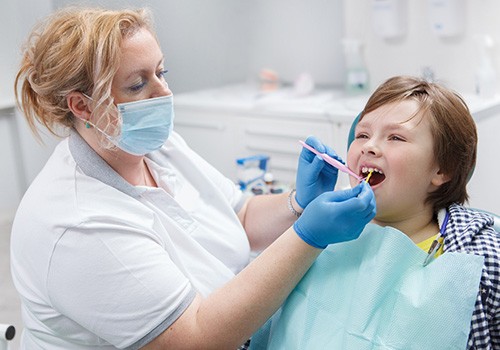
For over 100 years, fluoride has provided safe, effective treatment against cavities when added to oral hygiene products and public water supplies. Today, it is available as an add-on treatment following your child’s dental checkup and cleaning. Although only takes a few short moments to apply, this quick, painless procedure can help reduce their risk of cavities by 25 to 40% when combined with a solid, at-home oral hygiene routine.
What is Fluoride?
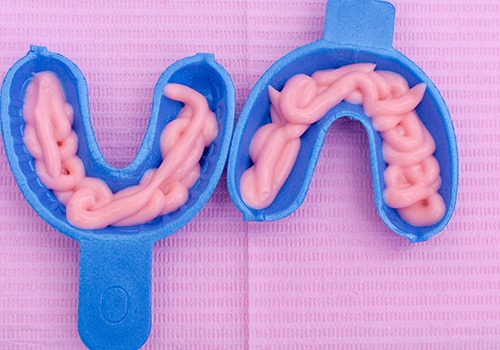
From natural water sources like lakes and rain, to many of the nutritious, delicious foods you grow right in your own backyard, the mighty mineral we call fluoride is all around us. It’s also a popular ingredient in a variety of oral hygiene products like toothpaste and mouthwash and is even added to public water supplies to help protect teeth in communities around the world.
Although it’s true that it is not recommended in extremely high doses, the amount of fluoride added to oral hygiene products and municipal water supplies is extremely low and very safe. In fact, although your little one may have some minor indigestion from swallowing their toothpaste, unless they eat entire tubes of toothpaste at a time, they shouldn’t experience any long-term effects from it.
How Does Fluoride Treatment Work?
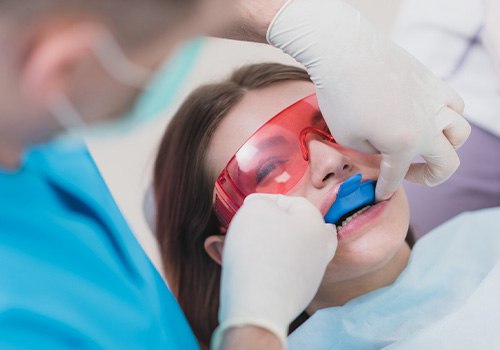
Getting a fluoride treatment in Bakersfield is a quick, easy, painless procedure. Following your child’s dental exam and cleaning, their dentist will apply a topical fluoride solution directly to their teeth in the form of either a gel, foam, or varnish. Then once it’s on, they’ll just need to avoid eating or drinking for 30 to 60 minutes. During that time, the fluoride will penetrate the enamel, bonding to the calcium and phosphate within, helping to stop the early signs of tooth decay in their tracks!
Who Benefits from Fluoride Treatment?

Although fluoride treatment can benefit anyone at any age, it is often given to children following their regular dental checkups and cleanings to give their teeth an added layer of protection against cavities and decay. That’s because although their teeth may be healthy, children often struggle to take proper care of them due to improper cleaning techniques and dexterity issues.
Dental Sealants

Permanent molars can often be the hardest areas of the mouth to reach for a child. They also have deep grooves which are natural areas that are hard if not impossible to clean. When brushing, these surfaces can be easily missed, making it easier for bacteria and food particles to collect in the crevices and grooves of teeth, resulting in tooth decay. With dental sealants, though, we can apply a clear layer of composite resin to the chewing surfaces of these teeth and create a barrier of protection that can last up to a decade.
Non-Nutritive Oral Habits

Thumb-sucking and pacifier use are common among infants and young toddlers, as these are ways for them to self-soothe when feeling unsure or afraid. However, these prolonged habits can have harmful effects on your child’s facial and oral development. To prevent bite misalignment and other serious abnormalities, our team will provide helpful tips and recommendations to stop these habits at home without causing your child to experience a meltdown.
Space Maintainers

If your child loses a baby tooth prematurely and their permanent tooth has yet to erupt, we can insert space maintainers. These small appliances fit nicely into vacant areas of your child’s mouth, keeping natural teeth in place and preventing them from shifting out of alignment. This will give your child’s adult teeth time to push through the gums without any difficulty.